Overview — Library, a collective of independent wedding photographers
- Bec & Matt
- James & Rose
- James & Fiona
- Steph & Scott
- Mia & Tom
- Chloe & Rohan
- Sophie & Dayne
- Alex & Michael
- Harriet & Declan
- Rebecca & Steven
- Natalie & Adrian
- Yvette & Amir
- Keyna & Alan
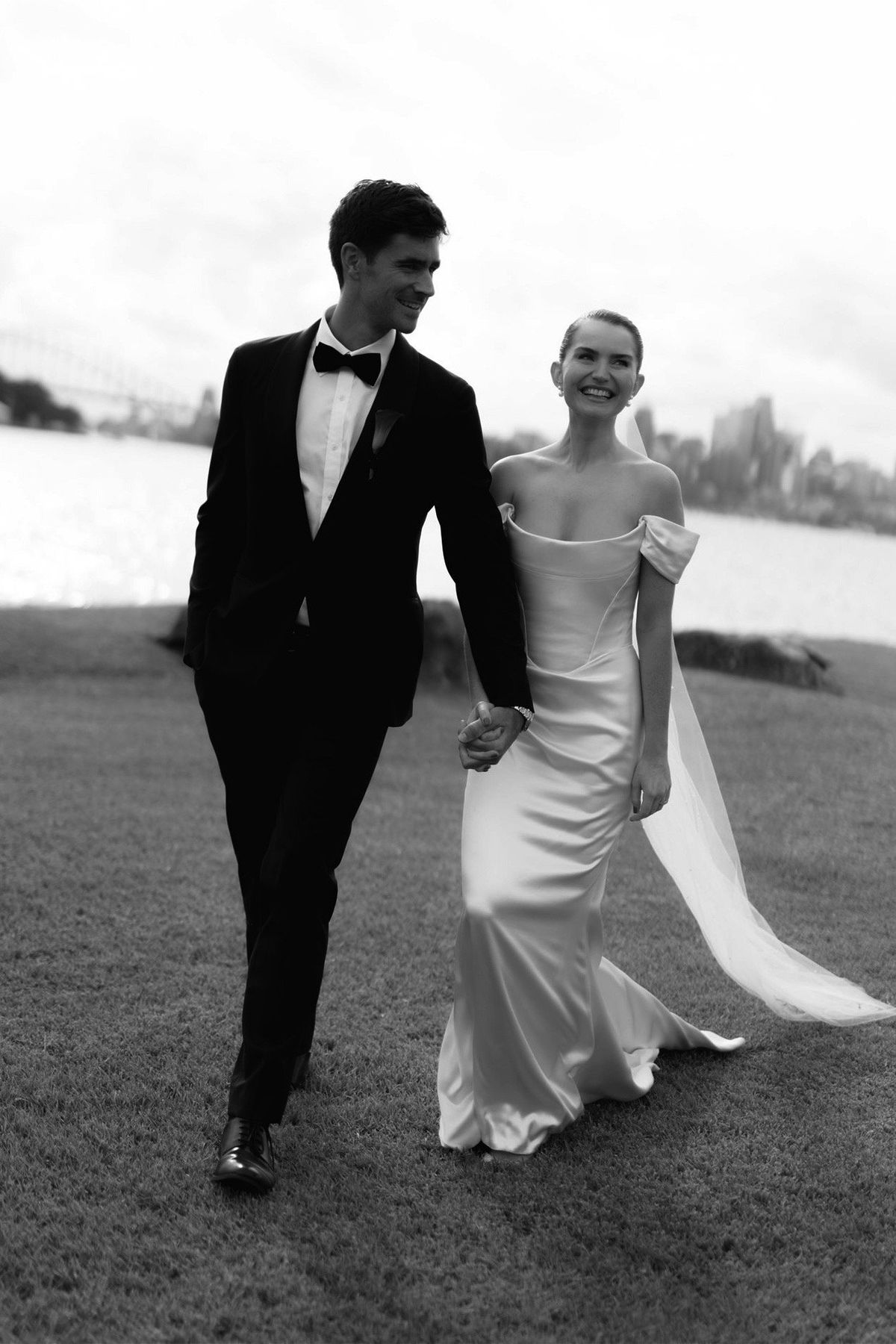
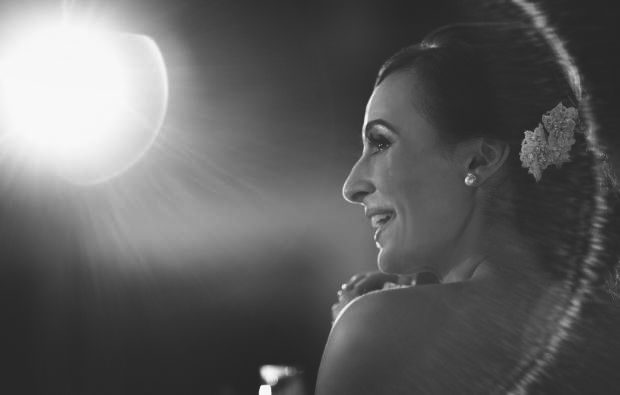
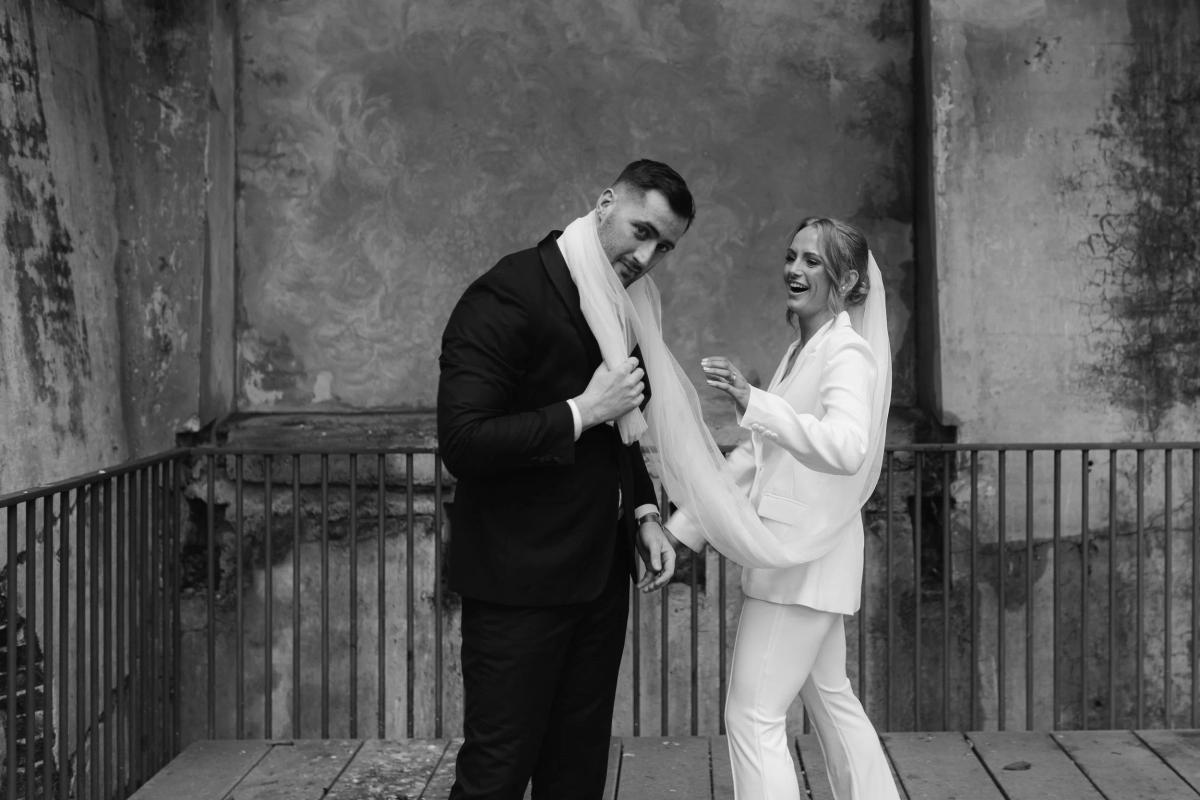
Library is a collective of independent photographers.
Based across two cities, Australia & worldwide
info@weddingsbylibrary.cominfo@
0457 662 680
Jodi Weisz
Jarred Eid with Jodi Weisz
Jarred Eid with Jodi Weisz
Library is a collective of independent photographers.
We operate as a collective agency model to centralise the role of the photographer, to focus on their work and create an environment of collaboration and support.
There’s good in everything. There are studios doing great work. There are solo photographers creating magic. But the reality is that no model is perfect. And this is why we started building something different, a collective agency, which is essentially a shared resource model where your fee goes direct to the photographer and we share a portion of that fee to fund support, training and development.
Where couples have confidence that they’re booking a person, not a brand, and that person is in the best environment to make a real, artistic documentation of their wedding day.
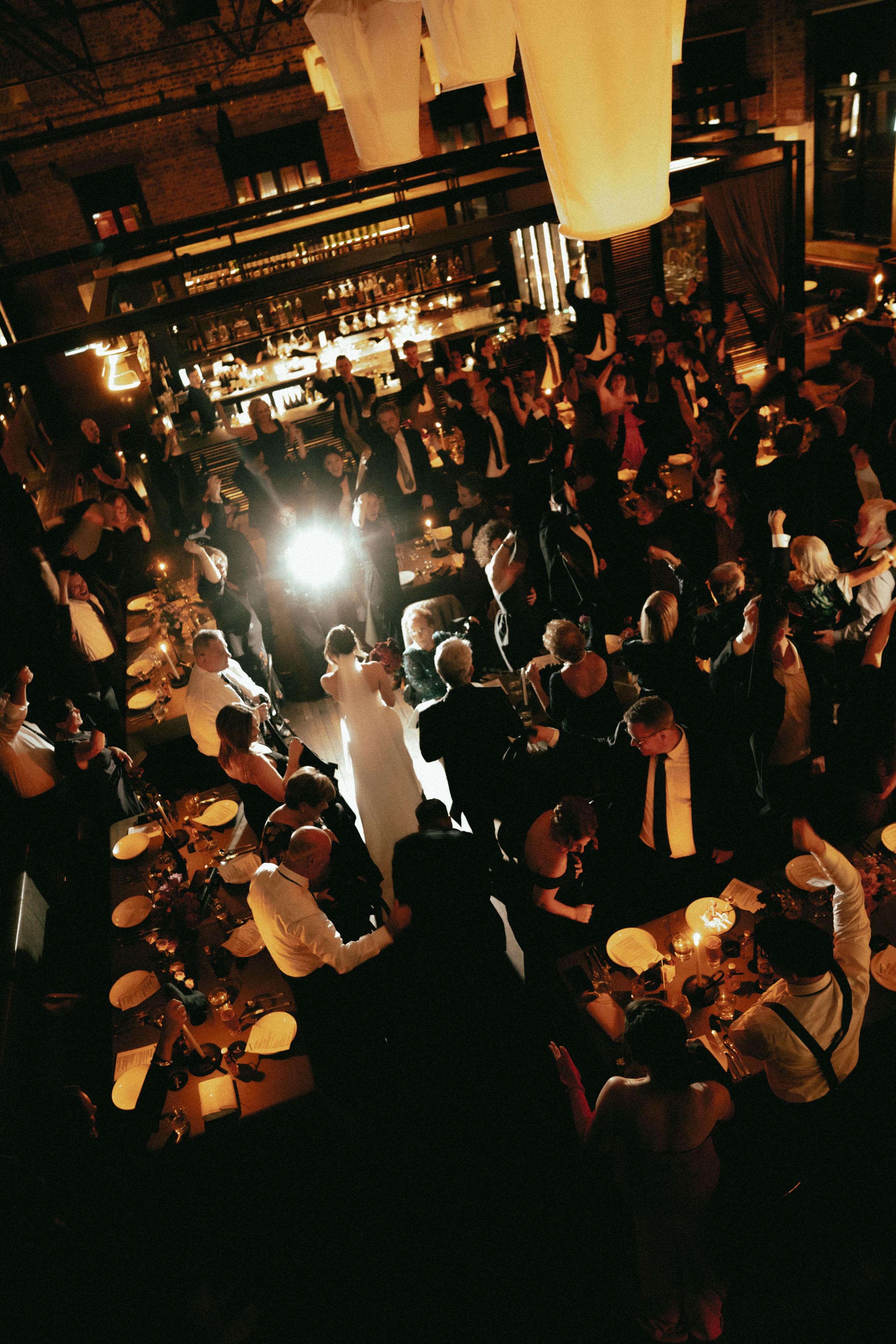
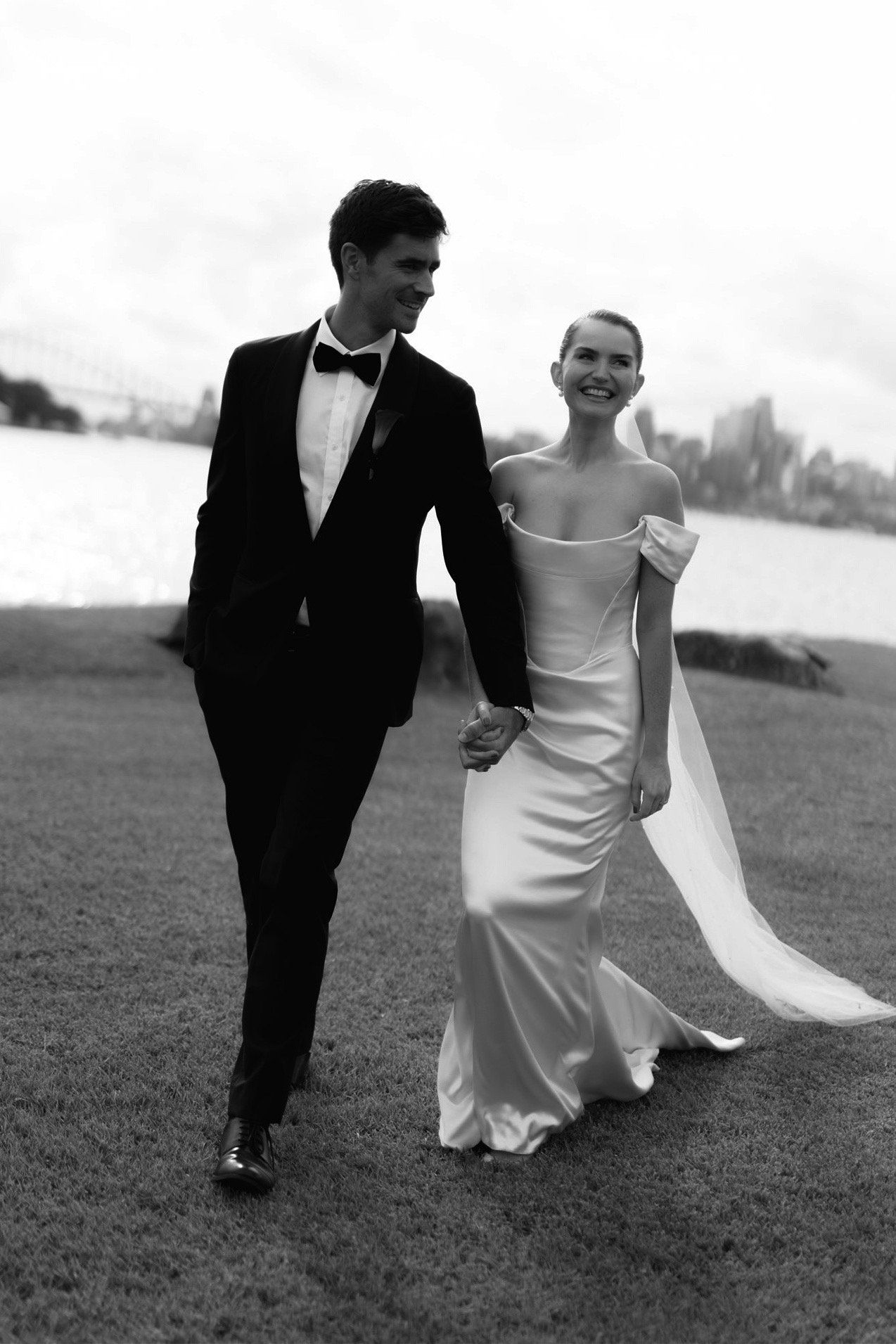
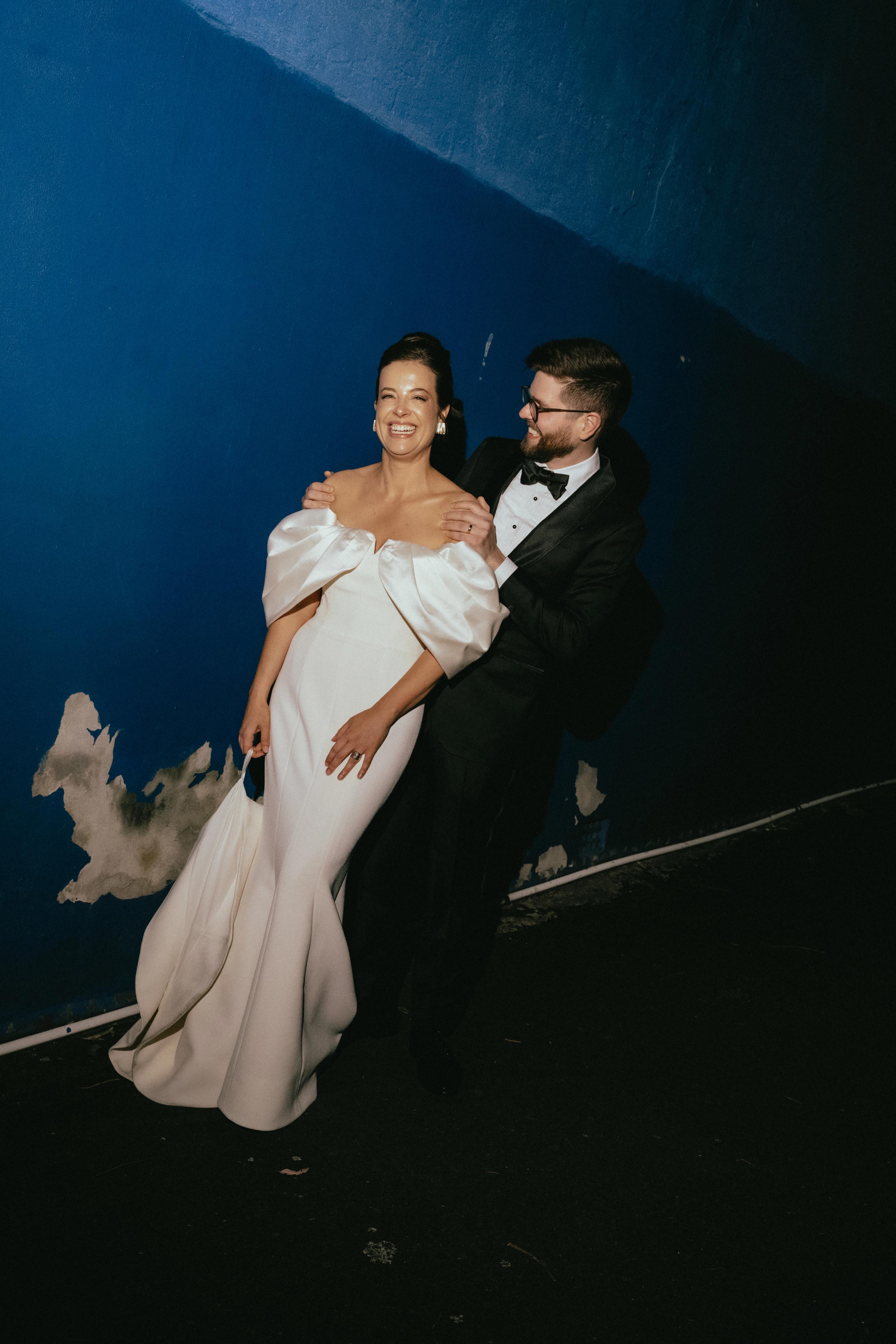
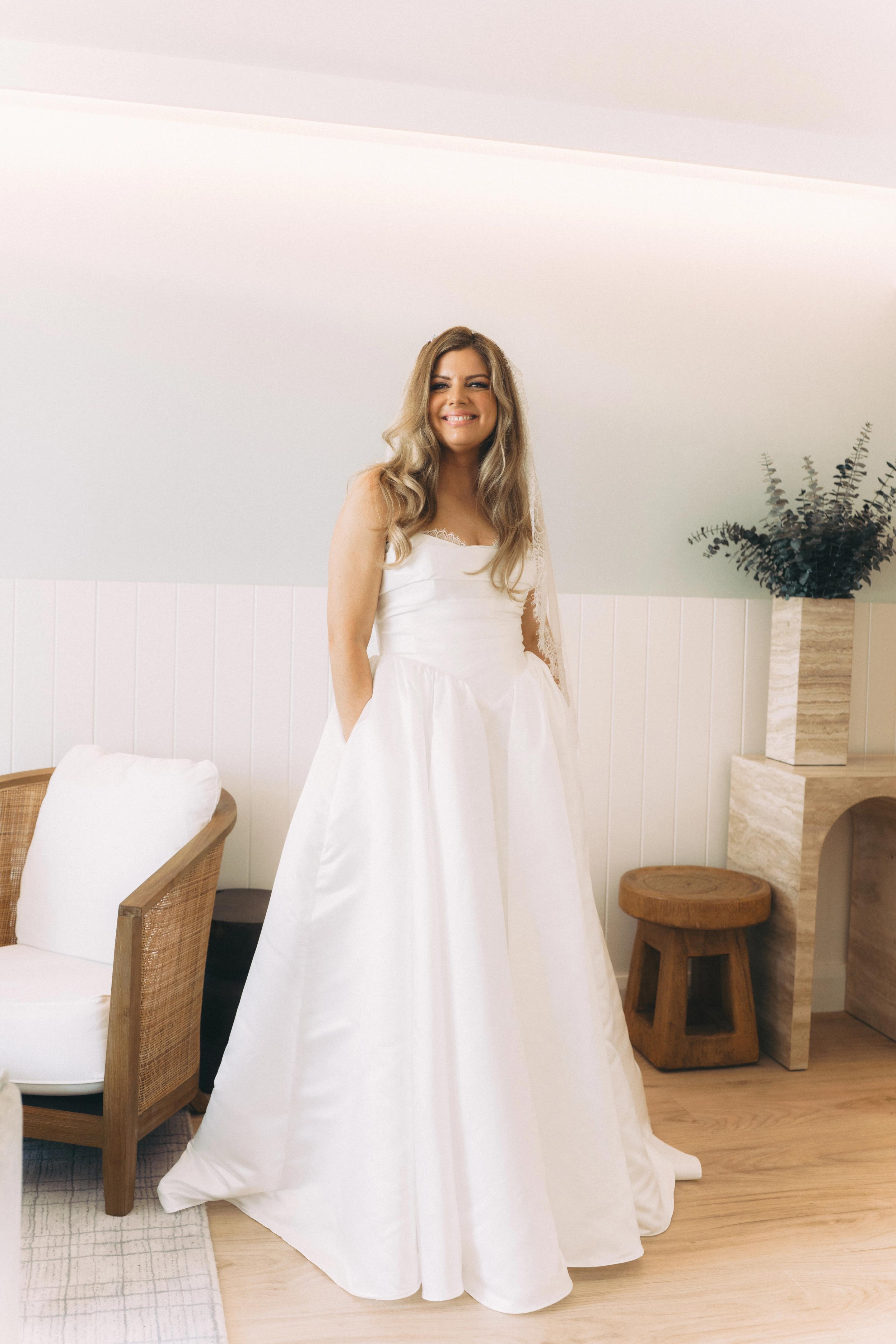
What’s lost is the very thing most couples say they want: something real. Something that feels like them.
The eyes you choose are the eyes that turn up. When you remove the excess dressings behind the purpose of a wedding photographer, it becomes about hiring someone’s way of seeing, how they view you, how they view a moment, a room, a space. It’s an incredibly important decision.
There is no ambiguity in who is going to be your photographer. You can choose a photographer, an associate or an apprentice at their own price, and that person shoots your wedding.
Your money goes directly to that photographer.
There are no hidden costs that fund the agency between you and the person doing the shooting. This is precisely why the work stays good. Nobody here is shooting 40 weddings a year to feed a middle layer.
So we created an environment for an independent photographer with a safety net of support and structure.
If the worst happens (illness, an accident on the morning), the photographer you chose has colleagues who shoot to the same standard. This is the one promise a solo photographer can never honestly make you.
The sweet spot.
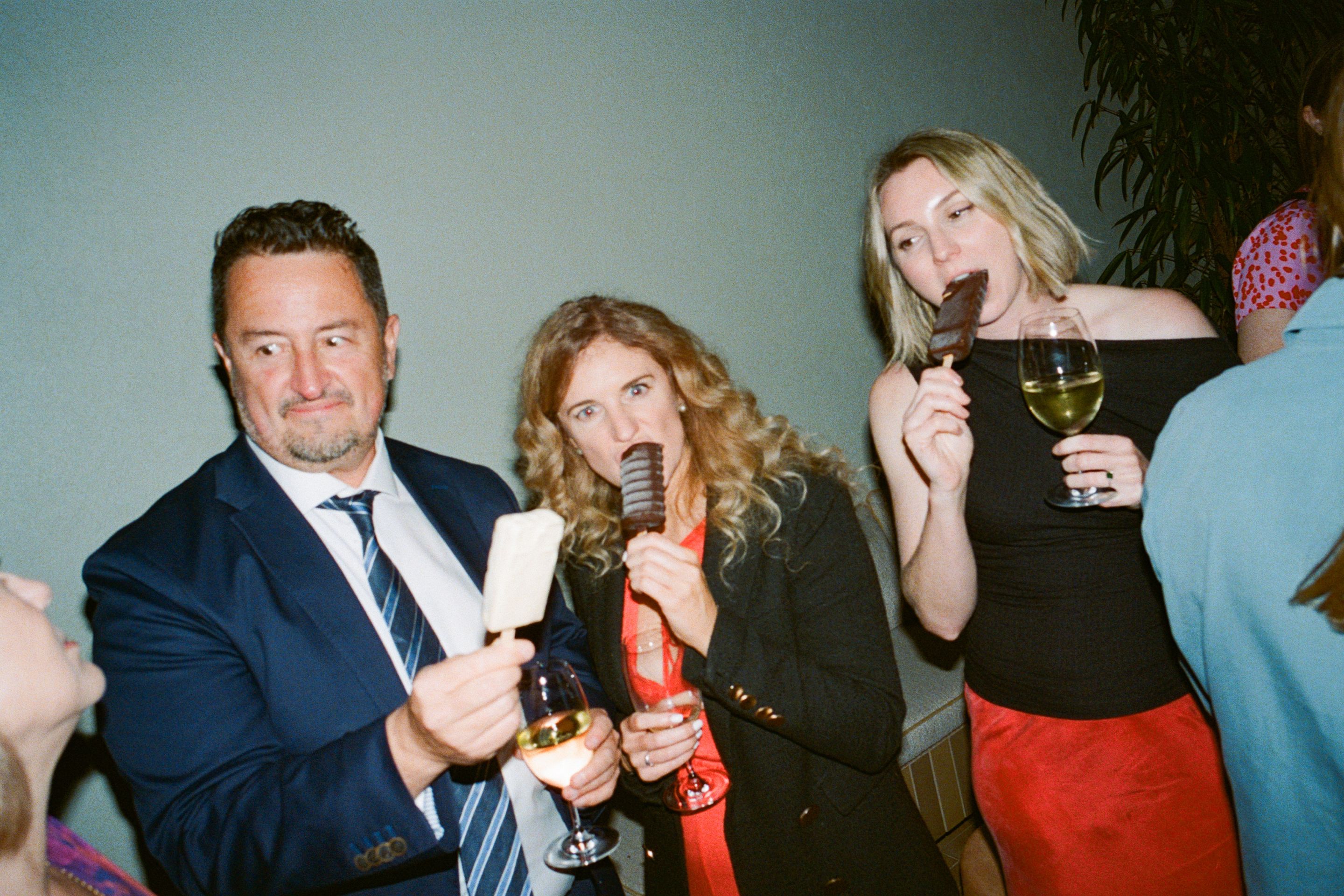
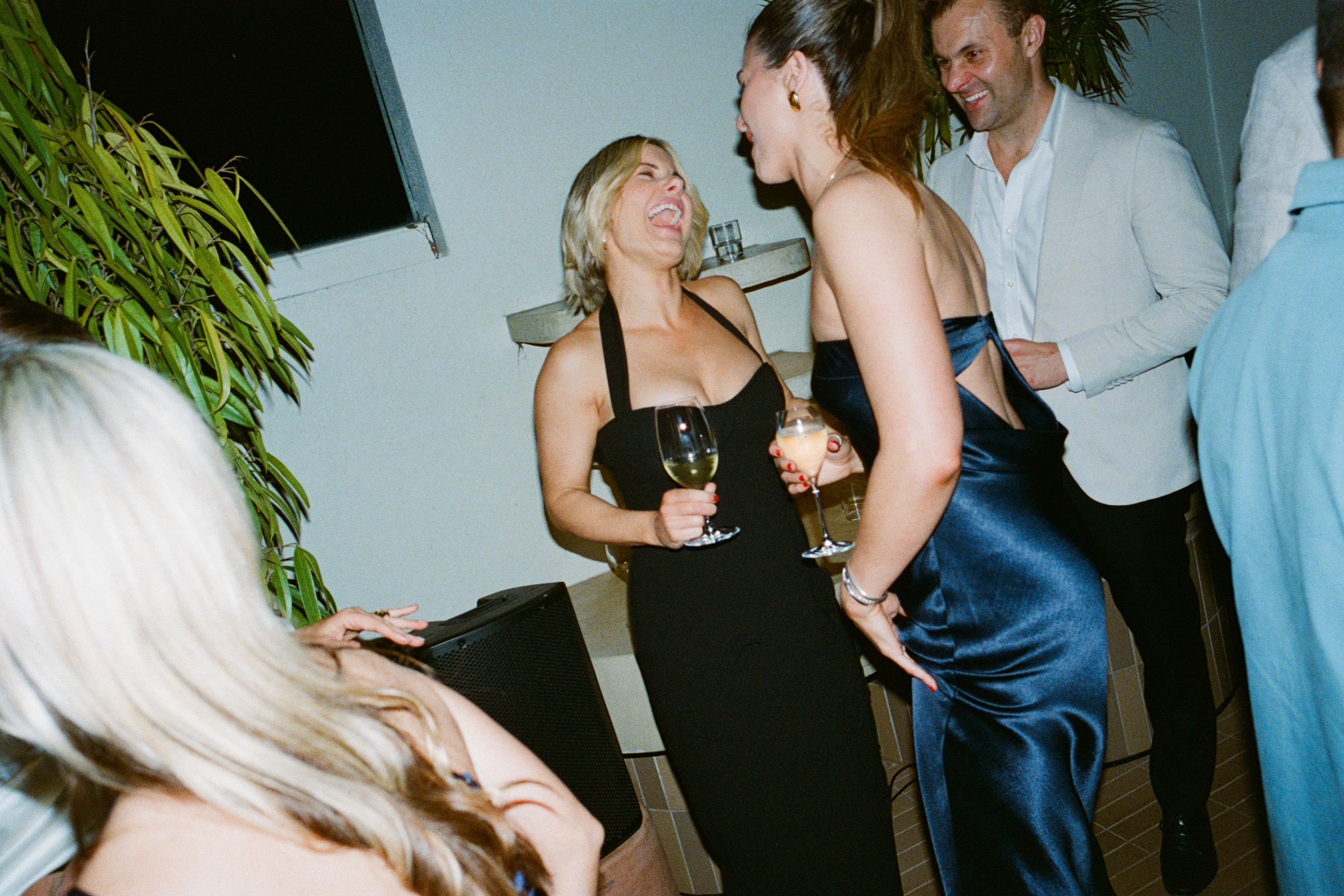
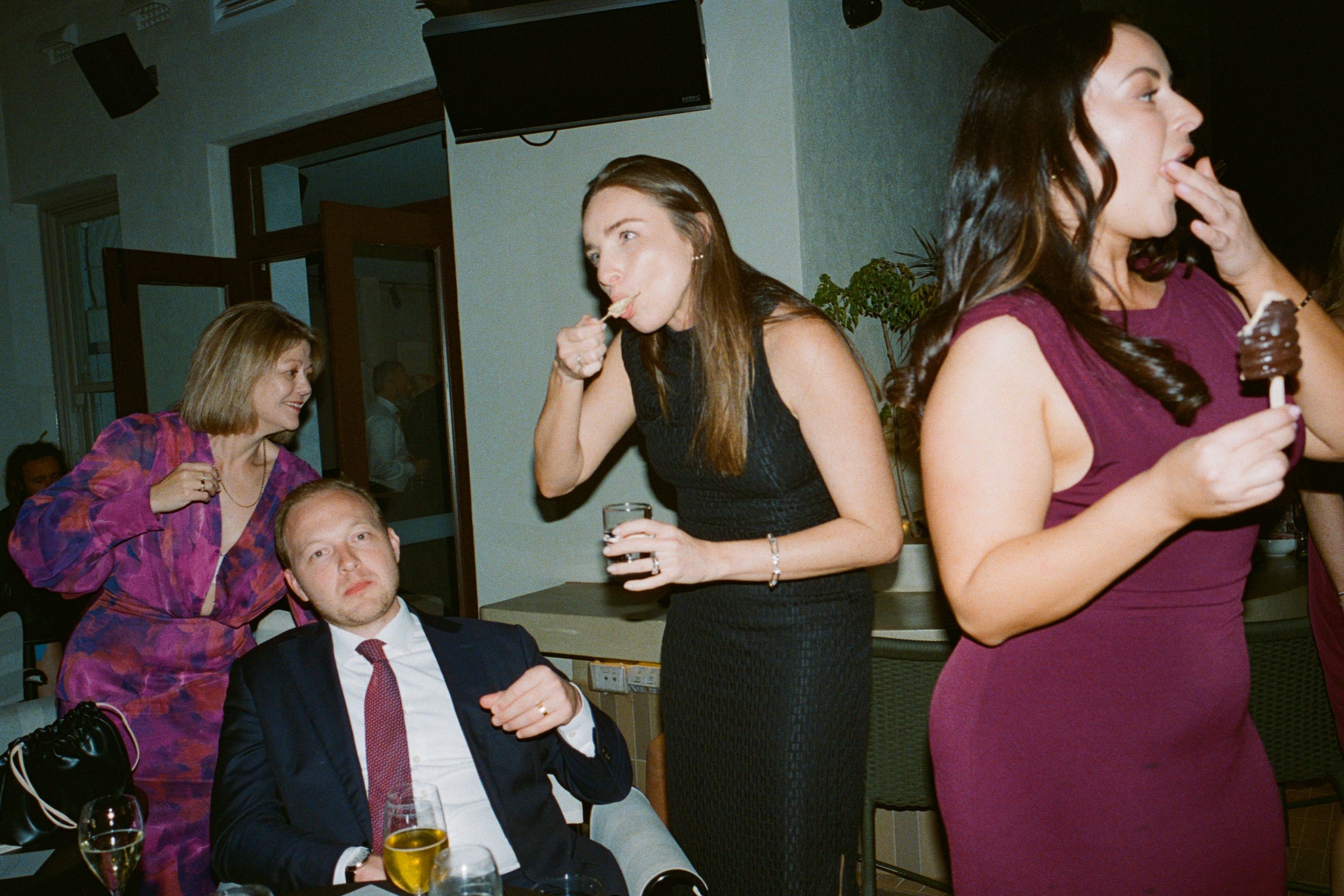
No forced posing
No hidden costs
No outsourcing edits
No social media shows
Why a collective?
- Hiring a studio and their photographerLess than 30% of what you pay reaches the photographer, sometimes under 20%. Your fee funds the larger business, which results in photographers producing a service to the expectations and requirements of the studio’s brand. They may not even know your name until they get the run sheet a week before your day. This formula is renowned for replicable shots, rehearsed lines and a streamlined product that looks the same. Keep in mind that most big studios all contract the same pool of freelance photographers.
- The space betweenWhy we are starting a collective of wedding photographers. We wanted trusted collaborators, not contractors. Photographers who have a real passion for this craft, who have their own vision but never envisage themselves as a business person being run down by administration and marketing.
- Hiring a solo photographerIn many cases this is a great option and a much better way of knowing who is photographing your wedding. But from our own experience, when you have to focus so much of your energy on marketing yourself, running contracts and other admin tasks, it’s impossible to do this whilst devoting enough attention to your work. Burnout is symptomatic in these cases because of the sheer volume of roles required.
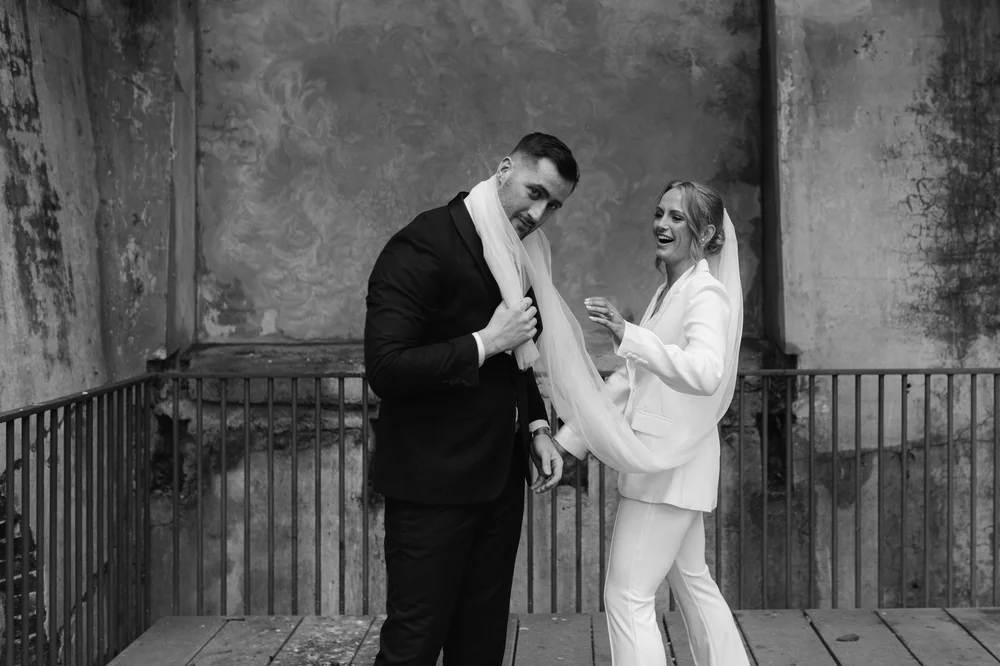
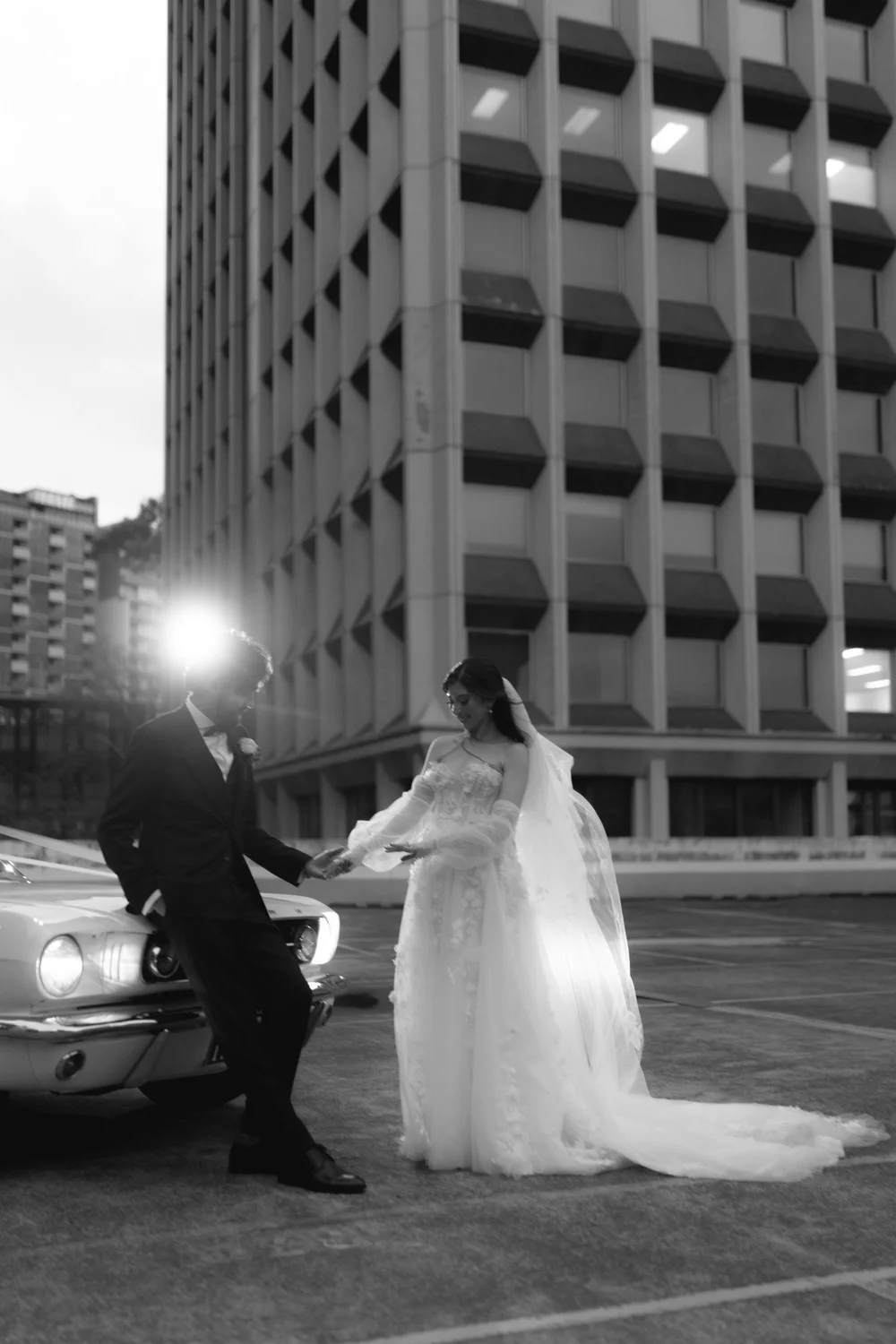
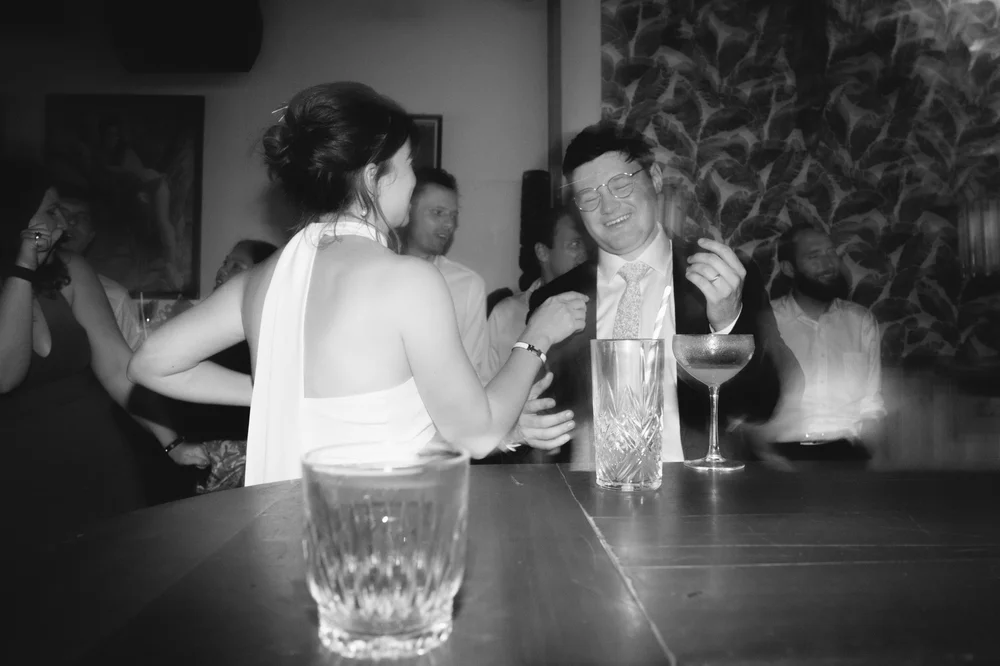
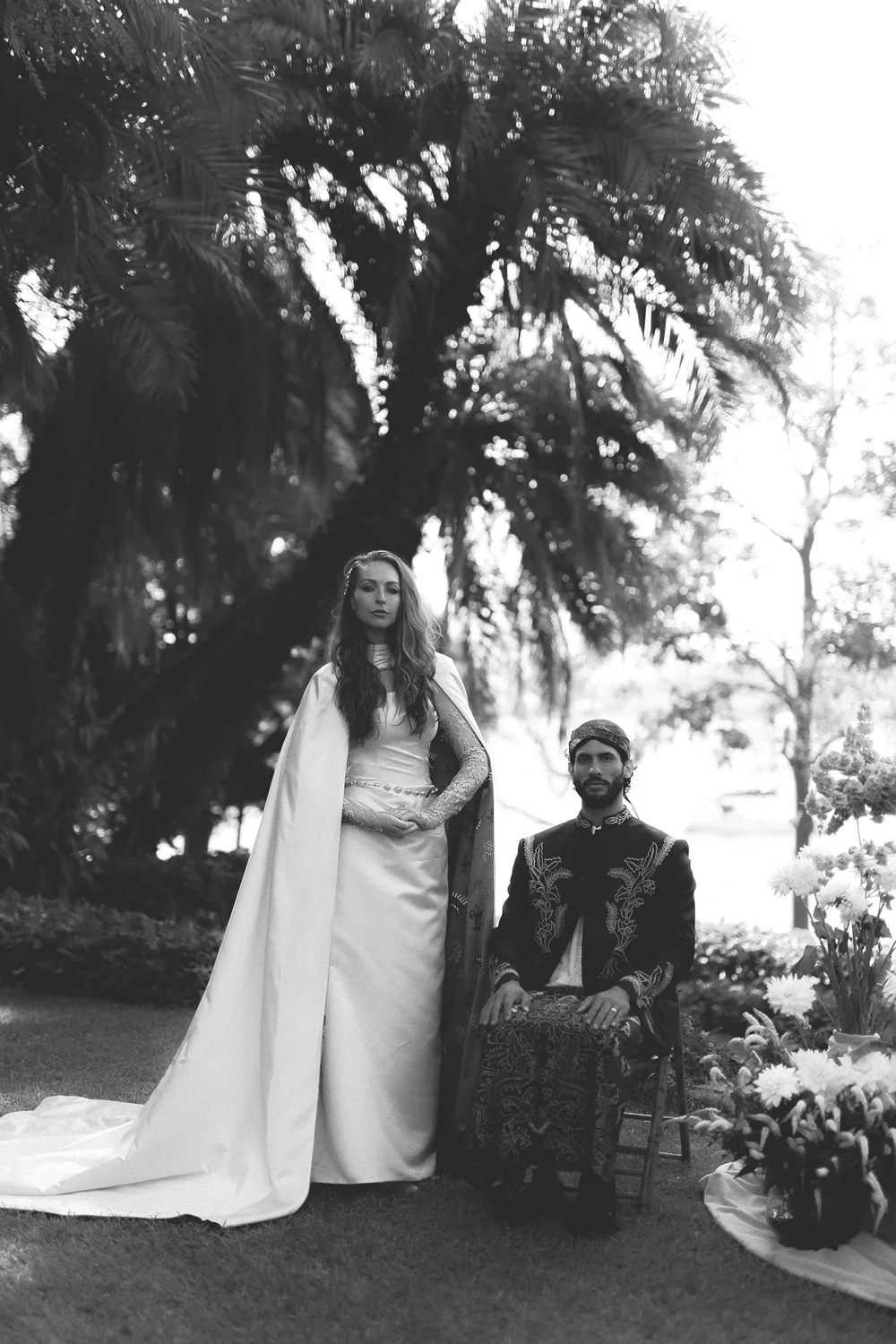
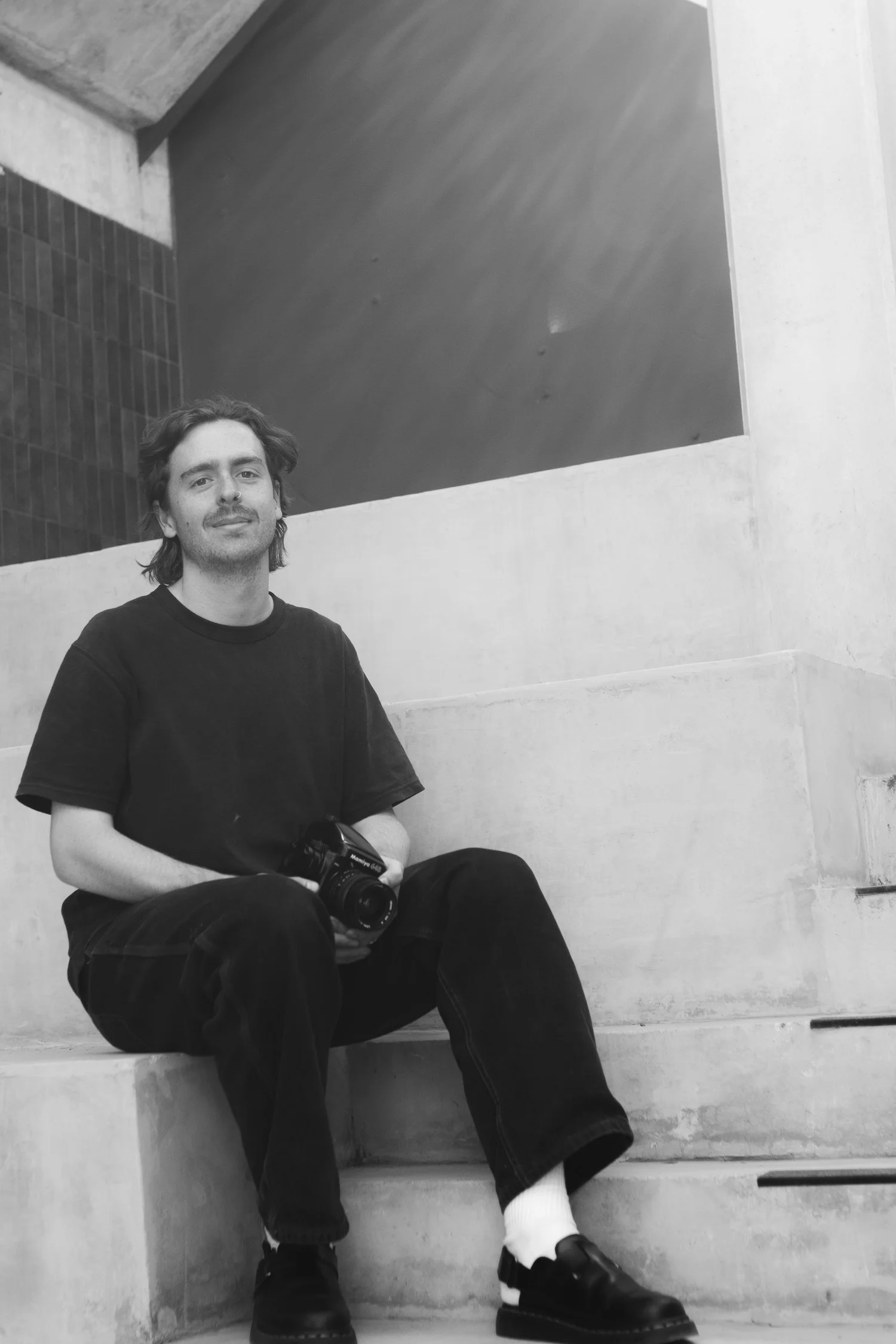
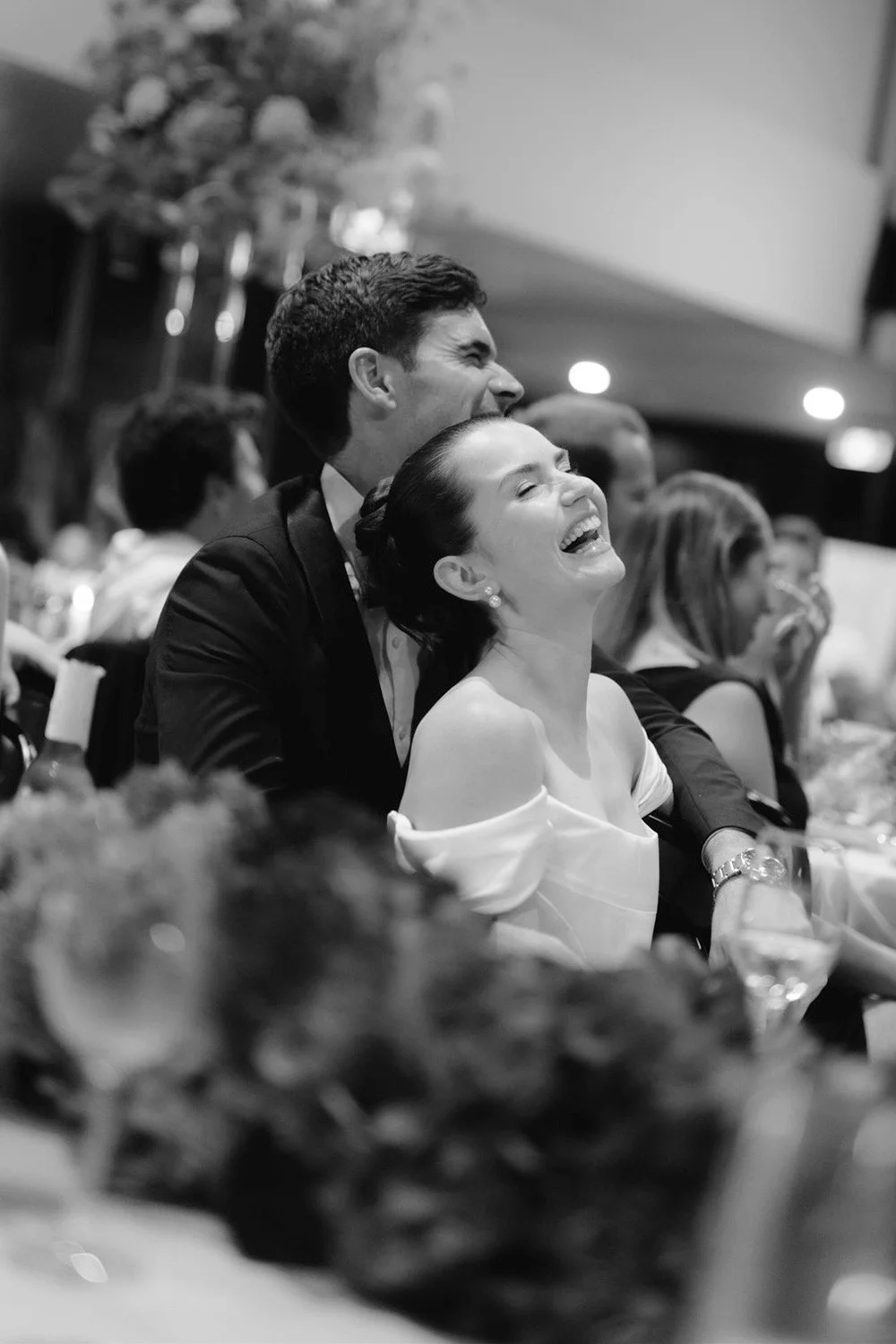
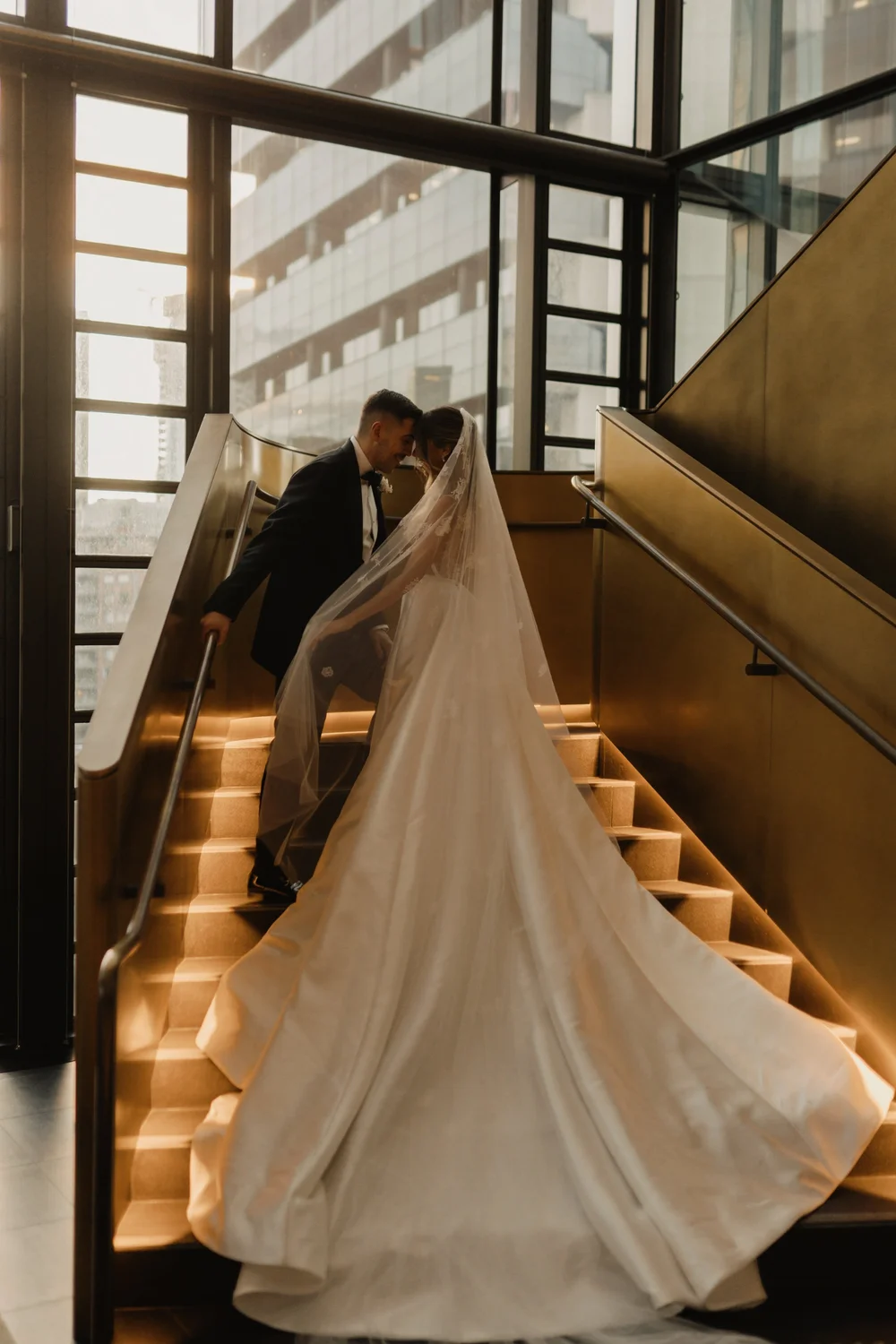
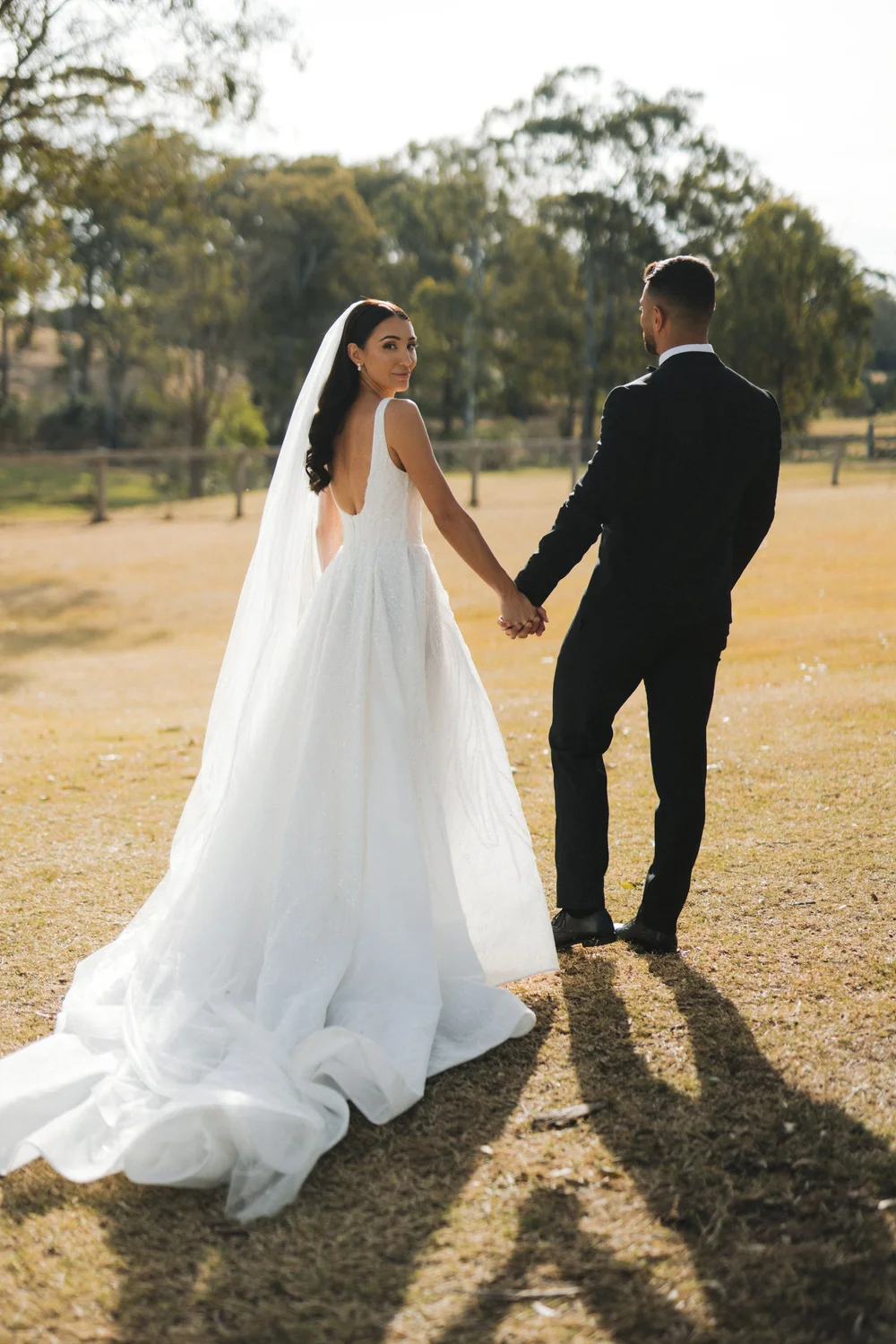
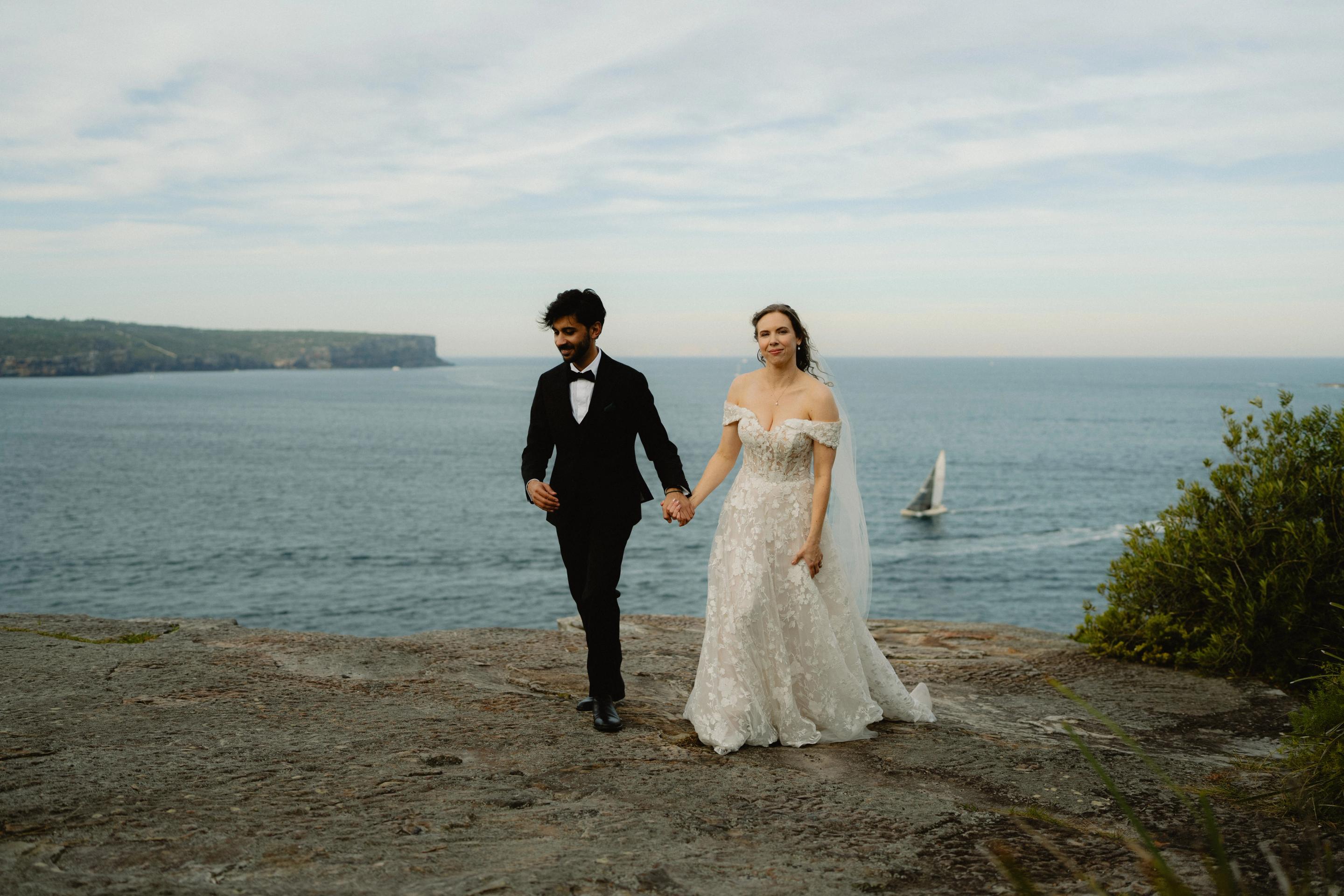
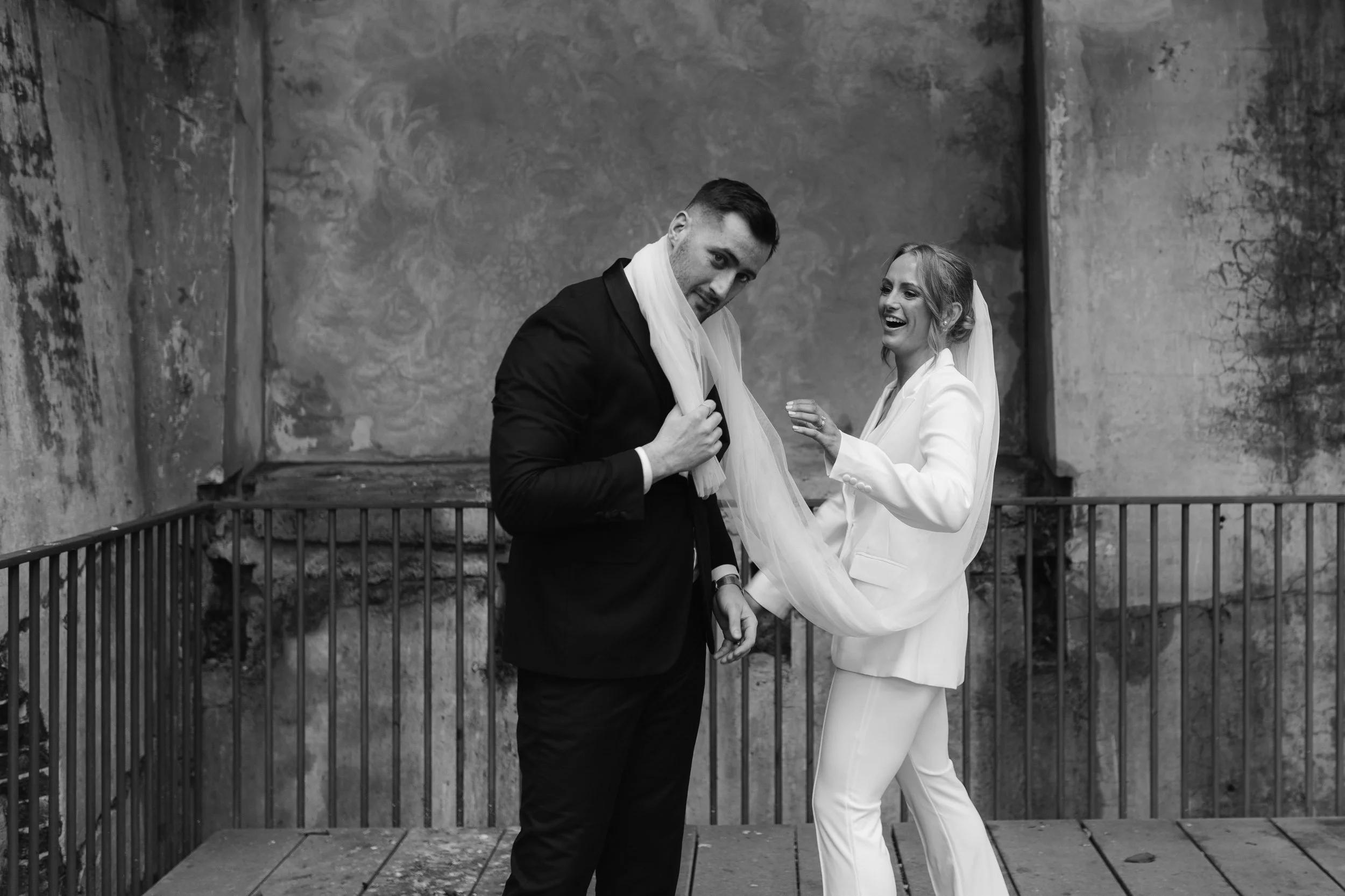
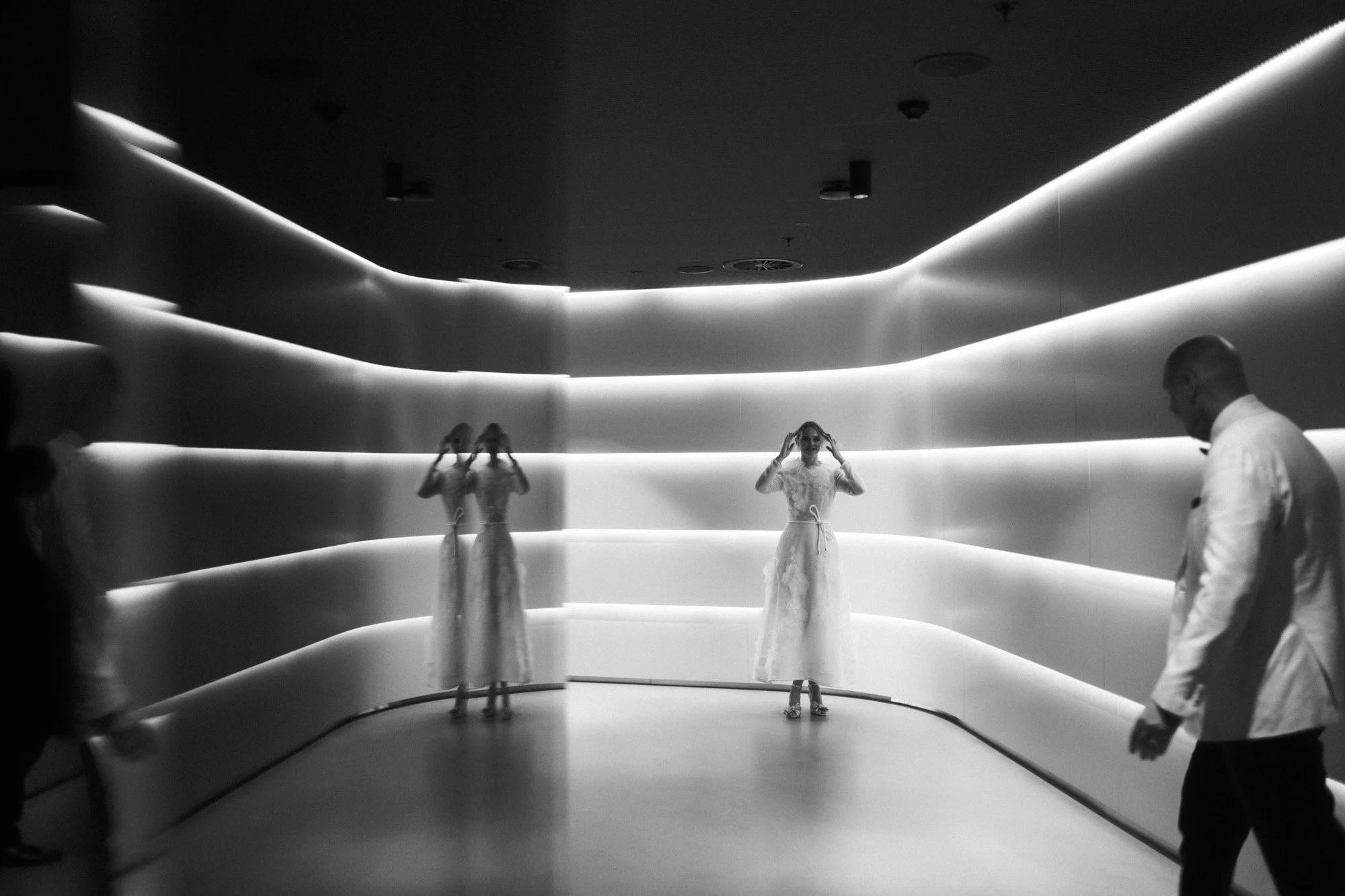
The photographers
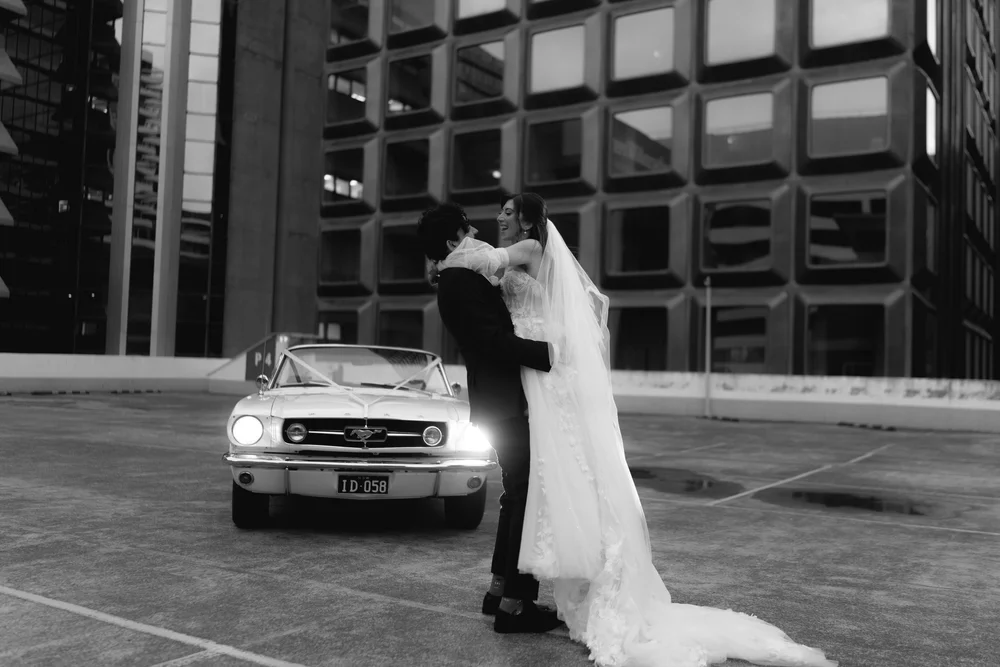
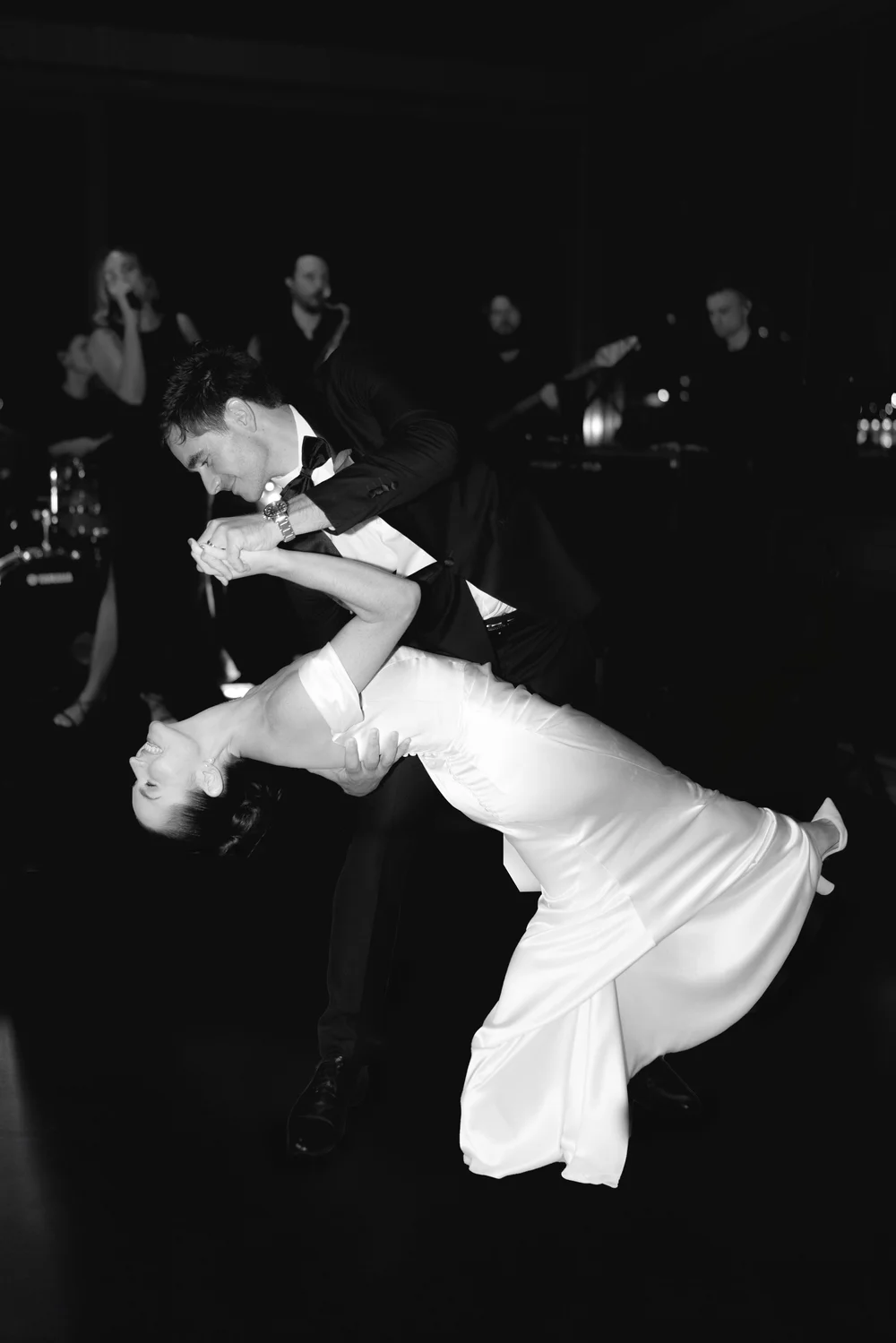
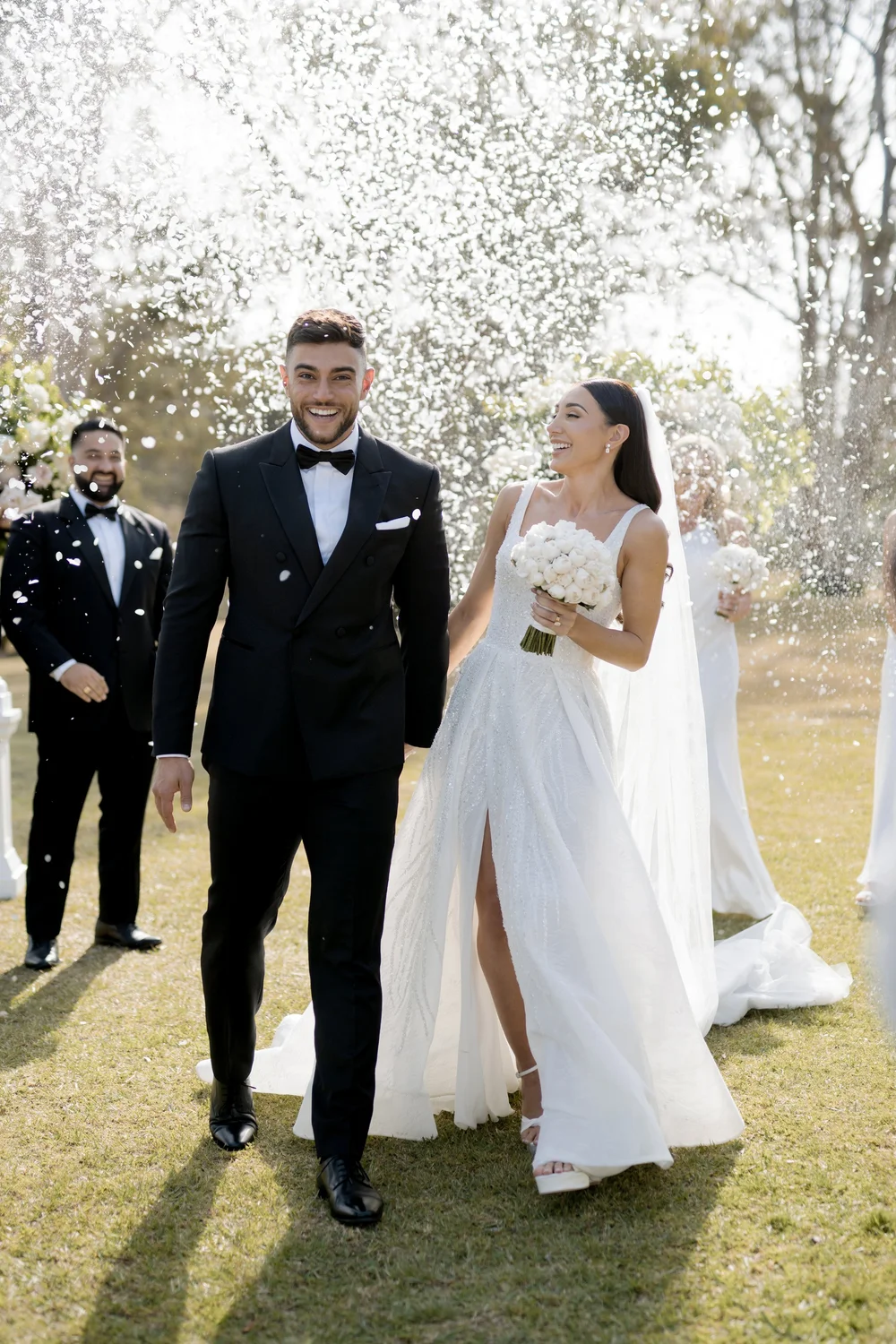
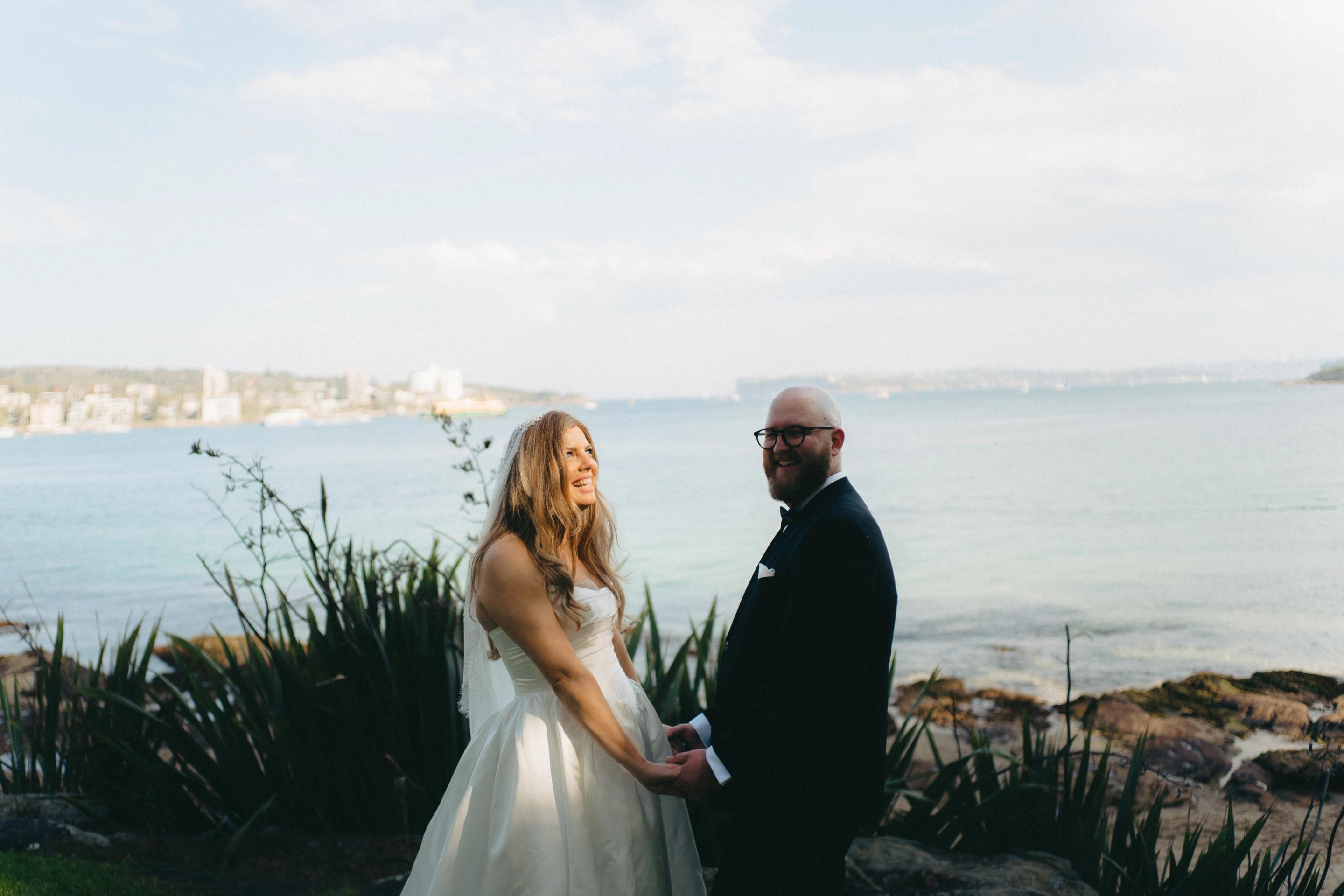
FAQs
How long will it take to get our photos?
Two to three weeks. We let you know when they go into production so you can plan a night to sit down with them.
Two to three weeks, and the only reason we can promise it is that we book few enough weddings to mean it. Anyone quoting you the same turnaround on eighty weddings a year has sent your images to another continent or AI to complete the task for them.
How many photos will we receive?
Roughly a hundred for every hour we shoot, a little more with two photographers. Every one is edited to a look we build for your day.
More than you will ever print. You will look at nine of them constantly and put one on a wall. Our whole job is making sure those nine are in there.
Do you do any posed or formal photos?
Yes. We build the family list with you and take some formal portraits, directed lightly rather than forcefully.
We will stand your relatives in a row for eleven minutes, because otherwise your mum raises it every Christmas until 2043. Then we are going back to the actual wedding.
How many hours do we need?
Start about two hours before the ceremony and finish at the end of formalities. That covers most of what people want.
Enough to cover the parts you will want to see again. We are not going to sell you two more hours of an 11pm dance floor, which is forty photographs of the same six people and a fog machine.
How do we book you?
If your date is free, you build your package in the portal, sign the contract and pay a $1,500 deposit.
You pay $1,500 and we stop talking to anyone else about your date. No waitlist, no “someone else is enquiring on that Saturday”, no countdown. If we are wrong for you we will say so before you pay rather than after.
Do you edit the photos yourselves?
Yes. Every image is edited in house, to a look we create to suit your day.
Yes, which ought to be the bare minimum and is somehow a selling point. A lot of the wedding photos you have scrolled past this year were edited overnight by a stranger or by an optimised algorithm. Passionate photographers are just as obsessed with this process as with the shooting process.
Do you travel?
Anywhere. We add flights, two nights of accommodation and a car if the place needs one.
Anywhere, at cost. There is no “destination fee” on top, because charging you extra for the privilege of us having a very good weekend somewhere warm is not a business model.
Do you do video or content creation?
Not yet. We shoot stills, and we are building partnerships for video with people we trust.
No. We could say yes and find someone on Instagram this afternoon, which is what “full service” means most of the time. When we find people we would book for our own wedding, you will hear about it.
Why is this so expensive?
Our pricing reflects the scale of the work and how few weddings we take on each year.
There is no wedding tax. This is what the work costs on any commercial job of the same size. The photographers who ought to be cheap are the ones running your day through someone else’s preset and shooting the same twelve pictures every Saturday.
Never asked questions
Why do you have more than one photographer shooting for Library?
We built a co-op agency model. Every photographer contributes to the business side and shares a percentage of each job, and each stays an individual artist with no house style to abide by. The usual paths are going it alone, where the loneliness burns people out, or shooting for a studio for a fraction of the budget. We flipped that.
Why should I not just book in with a big studio?
Less than 30% of what you pay reaches the photographer, sometimes under 20%. A studio needs margins, so you often will not know who is shooting until after you book — pulled from the same freelancer list as every other studio you got a price from — and they are handed a rigid shot list to keep the brand’s product consistent.
Why don’t you structure your pricing by the hour?
Because hours are where the hidden costs live, once an attractive base price has done its work. We see a wedding as a project, not a timesheet — you would not pay an artist by the hour for a painting. Pricing by traceable metrics turns the service into quantity over quality.
How do we know you’re going to do a good job?
Awkward to ask, and fair — it is a huge investment and there are a lot of tricksters. The distinction that matters is whether a photographer sees the work as a craft or as a product. Replicating a product needs systems, and those systems stifle the creativity you are hiring us for.
Why is this so expensive?
There is no such thing as a wedding tax. The rate is what this work costs on any commercial or editorial job of the scale — you are commissioning an artist to pour their creative energy, knowledge and emotional labour into one day. It is taxing work. Vet your photographer: the ones editing with someone else’s presets and repeating the same shots weekend after weekend should not be expensive.
Do you edit the photos yourself?
Yes. Outsourcing the edit — offshore for a small fee, or to AI — is prevalent in this industry and we do not do it. Curating your images to match the feel of the day is part of the service, and we enjoy it.
Isn’t taking a photo pretty straightforward?
It is easy to be a good photographer and extremely hard to become a great one, and you only know the difference once it is you in the frame. A good photograph of yourself does not make you uncomfortable — it evokes love. That takes someone trained to witness beauty, who knows which light and which focal length will carry it.
Don’t you get sick of shooting weddings?
The opposite — it is the most varied photography there is, because every couple and every room is different. A winery in remote New Zealand one weekend, an inner-city restaurant the next. Even the same venue twice in a week feels nothing alike: one couple is openly affectionate, the next is private and subtle.
Do you just shoot weddings because it’s an easy way to make money?
No. We are photographers first, and we chose weddings because they are an environment we want to be in and an anthropological hotbed of beautiful moments. You can make money shooting anything. Photographers become great by being genuinely interested in their subject.